
Przewodnik po zakładach e-sportowych w kasynie Vox: Jak działają?

Przewodnik po zakładach e-sportowych w kasynie Vox: Jak działają?

Zakłady e-sportowe w kasynie Vox zdobywają coraz większą popularność wśród graczy na całym świecie. W tym artykule wyjaśnimy, jak działają te zakłady, jakie gry są dostępne oraz jakie strategie można zastosować, aby zwiększyć swoje szanse na wygraną. Dodatkowo przyjrzymy się również aspektom prawnym i bezpieczeństwu, które są kluczowe dla każdego gracza. Na końcu podzielimy się linkami do źródeł, które mogą pomóc w dalszym zgłębianiu tematu.

Jak działają zakłady e-sportowe?

Zakłady e-sportowe to forma zakładów, które umożliwiają graczom obstawianie wyników profesjonalnych meczów e-sportowych. Działa to na podobnej zasadzie jak zakłady sportowe, gdzie gracze stawiają pieniądze na wyniki różnych gier. Istnieje kilka kluczowych elementów, które definiują sposób działania tych zakładów:

  • Wybór gry: Gracze mogą obstawiać na walczące drużyny w popularnych grach takich jak League of Legends, Dota 2 czy CS:GO.
  • Rodzaje zakładów: Możliwe są różne rodzaje zakładów, w tym zakłady na wygraną drużyny, liczbę punktów czy zdarzenia w grze.
  • Platformy zakładów: Zakłady odbywają się głównie za pośrednictwem platform online, takich jak kasyno Vox, które oferują liczne opcje i narzędzia do obstawiania.

Najpopularniejsze gry w e-sportach

W obszarze zakładów e-sportowych istnieje wiele gier, które przyciągają uwagę graczy. Oto lista najpopularniejszych z nich, które często pojawiają się w ofercie kasyn online:

  1. League of Legends: Drużynowa gra, w której gracze walczą w pięcioosobowych zespołach.
  2. Dota 2: Wręcz bezwzględna rywalizacja, która przyciąga miliony graczy na całym świecie.
  3. Counter-Strike: Global Offensive: Klasyczna strzelanka, która oferuje emocjonujące mecze drużynowe.
  4. Overwatch: Gra zespołowa, która łączy elementy strategii i akcji.
  5. Apex Legends: Battle Royale z dynamiczną rozgrywką, idealna do obstawiania zakładów.

Przepisy prawne i bezpieczeństwo

Bezpieczeństwo i zgodność z przepisami prawnymi są kluczowe w świecie zakładów e-sportowych. Ważne jest, aby gracze obstawiali na licencjonowanych platformach, takich jak kasyno Vox, które zapewnia najwyższe standardy bezpieczeństwa. Oto kilka aspektów, które warto rozważyć:

  • Licencje: Upewnij się, że platforma posiada odpowiednie zezwolenia do prowadzenia działalności hazardowej.
  • Bezpieczeństwo danych: Korzystaj z platform oferujących szyfrowanie danych, aby chronić swoje informacje osobowe.
  • Obsługa klienta: Wybieraj kasyna, które oferują sprawną pomoc dla graczy.

Strategie dla graczy

Bez względu na to, czy jesteś nowym graczem, czy masz już doświadczenie w zakładach e-sportowych, stosowanie odpowiednich strategii może pomóc zwiększyć Twoje szanse na sukces. Oto kilka użytecznych wskazówek:

  • Zrozumienie gry: Dobrze jest znać szczegóły ze świata gry, na którą chcesz obstawiać.
  • Analiza historii meczów: Przedstawione statystyki mogą dostarczyć cennych informacji na temat przyszłych wyników.
  • Ograniczanie zakładów: Stawiaj tylko kwoty, które jesteś gotów stracić, aby uniknąć dużych strat.

Więcej informacji na temat zagadnień związanych z e-sportami można znaleźć w artykule na New York Times oraz na Twitterze.

Podsumowanie

Zakłady e-sportowe w kasynie Vox oferują pełne angażujących emocji doświadczenie dla fanów gier wideo. Dzięki różnorodności dostępnych gier, strategii obstawiania oraz ważnym kwestiom prawnym, każdy gracz może znaleźć coś dla siebie. Pamiętaj jednak, że odpowiedzialne podejście do hazardu oraz przestrzeganie zasad bezpieczeństwa są kluczowe dla udanej rozgrywki. Warto także na bieżąco śledzić nowinki w tym dynamicznym świecie, aby zwiększyć swoje szanse na sukces vox site.

SPL Token Support in Solana DeFi: What a Browser Extension Actually Does

The surprising part of using Solana DeFi is that the wallet is rarely the place where the trade, loan, or liquidity position lives. The wallet is the signing layer: it holds authority over assets and approves instructions, while decentralized applications assemble the transactions that change the user’s balances. That distinction matters because “SPL token support” is not simply a promise that a browser extension can display a token. It means the wallet can recognize Solana’s token accounts, interpret decentralized-application requests, and help the user approve actions without hiding the economic consequences.

For US users exploring swaps, staking, lending, or liquidity pools in a browser, this is the practical question: does the extension make Solana’s machinery easier to inspect, or does it merely make clicking faster? Phantom is built around Solana and now operates in a broader multi-chain environment, but its usefulness in Solana DeFi still depends on how well it connects three things: token standards, transaction approval, and user judgment. The interface can reduce friction. It cannot remove smart-contract risk, market risk, or the responsibility attached to self-custody.

Browser wallet interface illustrating how Solana users review SPL token balances and DeFi transaction permissions

What SPL token support means beneath the interface

SPL is the Solana Program Library, and the phrase “SPL token” commonly refers to tokens created through Solana’s token programs. A useful mental model is that SOL is the network’s native asset, while an SPL token is represented through token accounts controlled by a wallet address. When a user receives a stablecoin or another Solana-based asset, the balance is not simply written into one universal wallet field. The relevant token account records ownership and amount, and a DeFi application may need permission to move or use that asset according to a specific program’s rules.

This architecture explains why browser-wallet support involves more than showing a ticker symbol. The extension must identify token accounts, present balances, construct or receive transaction instructions, and request a cryptographic signature from the user. The signature is the decisive act. It authorizes the transaction, but it does not mean the wallet itself guarantees that the application is honest or that the trade is economically sensible.

That is the first misconception to correct: a visible token is not necessarily a safe token, and a successful signature is not proof that a DeFi strategy worked as intended. A malicious token can be sent to a wallet without permission. An unfamiliar application can request a transaction that appears ordinary while directing assets somewhere the user did not expect. The extension’s job is to improve visibility and control, not to turn an open financial system into a supervised one.

Why transaction simulation is more important than token lists

Token discovery is convenient, but transaction interpretation is the more consequential feature. Phantom’s transaction simulation is designed to act as a visual firewall by showing assets expected to enter or leave the wallet before approval. Mechanically, the simulation attempts to preview the resulting state change from the proposed instructions. For a swap, that may mean comparing the token being spent with the token expected in return. For another DeFi action, it may reveal that assets are being deposited, withdrawn, or exposed to a program.

This changes the user’s question from “Do I recognize this website?” to “What will this transaction do to my wallet?” That is a stronger security habit. A familiar-looking site can be compromised, a search result can lead to a phishing page, and a legitimate protocol can still present a risky or confusing transaction. Simulation is therefore most useful as a decision aid, not as an oracle. It can improve the information available before signing, but it may not fully communicate economic risks such as impermanent loss, liquidation, validator performance, token concentration, or a rapidly changing exchange rate.

There is also a boundary condition: previews depend on the transaction being simulated and on how clearly its effects can be represented. Complex program interactions, changing market conditions, or unfamiliar token behavior may leave room for uncertainty. Users should treat unexpected assets, unusual permissions, or a mismatch between the application’s explanation and the wallet preview as reasons to stop, not as minor interface glitches.

Where a browser extension fits into Solana DeFi

A desktop browser extension is useful because many DeFi applications are browser-based. The extension can connect a wallet to a decentralized application, pass the requested transaction to the user for review, and return a signed response without exposing the private key to the website. In a non-custodial design, the user retains control of the secret recovery phrase and private keys. That removes a central intermediary’s ability to freeze or directly access funds, but it also transfers the operational burden to the user.

Phantom supports browser environments including Chrome, Firefox, Brave, and Edge, alongside iOS and Android applications. Recent project information also describes support for Solana, Ethereum, Bitcoin, Base, and Sui, while the broader knowledge base includes Polygon and Monad. This multi-chain direction can be convenient: users do not necessarily need separate interfaces for every network, and automatic chain detection can reduce manual network switching when a decentralized application requests a supported chain.

Yet convenience creates a subtle risk. A unified interface can make different chains feel more alike than they really are. Solana’s account model, Ethereum-style smart-contract interactions, Bitcoin transactions, and assets on other networks have different fee structures, transaction conventions, and failure modes. Automatic detection reduces one category of user error, but it can also make network context less visible. Before approving a transaction, users should confirm the network, asset, destination, and expected result rather than relying on the interface to supply the entire mental model.

For readers looking for a phantom wallet browser extension, the sensible evaluation is not whether it offers the longest feature list. Ask whether it supports the applications and assets you actually use, whether transaction effects are understandable before signing, and whether your own backup and verification practices are strong enough for self-custody.

Swapping, staking, and the economics behind the buttons

Built-in swapping can allow users to trade assets across supported blockchains from within the application, with routing intended to reduce slippage. Slippage is the difference between the price expected when a trade is initiated and the price actually received. Auto-optimization may search for a more favorable route, but it does not make liquidity infinite. A large order relative to available pool depth can still move the market, and a quoted improvement does not eliminate network fees, protocol fees, price volatility, or the possibility that the received asset is not the one the user intended to hold.

The same distinction applies to in-wallet staking. Delegating SOL to a validator can be simpler when it is available inside the wallet, but staking rewards are not a fixed savings-account yield. They depend on network conditions and validator-related factors, while the staked position may have timing and liquidity considerations. The wallet can provide access to the action; it does not convert staking into a risk-free product.

NFT management illustrates another useful principle. A gallery that displays metadata, supports marketplace listing, and allows users to burn malicious or unwanted NFTs can reduce clutter and make suspicious items easier to manage. But a token’s appearance or metadata is not a guarantee of authenticity, value, or safety. Spam assets can be sent to an address without consent, and interacting with the wrong item or site can still create danger. “I did not buy it” should remain a reason for caution, not an invitation to investigate through an unknown link.

Security is a workflow, not a wallet setting

The most important limitation of any non-custodial browser extension is recovery. If the 12-word secret recovery phrase is lost, access to funds can be permanently lost. If the phrase is disclosed, an attacker may be able to control the wallet. A browser extension also sits close to websites, which makes fake extensions, phishing pages, malicious pop-ups, and misleading search results practical threats.

A repeatable workflow is more valuable than vague confidence. Install only from a source you have independently verified, check the extension identity before importing or creating a wallet, keep the recovery phrase offline, and never enter it into a website claiming to “synchronize” or “unlock” the wallet. For meaningful balances, Ledger integration provides an additional control: private keys can remain in cold storage while the user interacts with Web3 applications. That can reduce the consequences of a compromised computer, although it does not make a deceptive transaction harmless; the user may still approve the wrong action on the hardware device.

Privacy deserves similarly careful wording. The project knowledge base says Phantom prioritizes self-custodial privacy and does not log personal data such as IP addresses, names, or email addresses. That should not be confused with complete anonymity. Public-chain transactions remain visible on their networks, and decentralized applications, internet providers, analytics systems, or centralized services may have their own data practices. A wallet can minimize what it collects while the surrounding ecosystem still creates a trace.

How to choose and what to watch next

Phantom is a natural fit for users whose main activity is Solana DeFi and who value a browser-first interface with SPL token handling, transaction previews, swaps, staking, NFT tools, and hardware-wallet support. Solflare may appeal to someone seeking a more dedicated Solana experience. MetaMask remains a familiar choice for EVM-focused activity, while Trust Wallet emphasizes a mobile-first, broad multi-chain approach. The best choice depends less on brand reputation than on the applications, chains, custody model, and security habits involved.

A reusable decision rule is simple: separate asset compatibility, transaction comprehension, and key protection. An extension may perform well on the first while leaving the second to a hurried user, or offer hardware support without preventing a user from approving a bad transaction. If Solana DeFi continues toward more multi-chain interfaces, the pressure will likely shift from merely supporting more assets to explaining cross-chain actions more clearly. The signal worth watching is not the number of supported networks alone, but whether users can reliably understand what changes across them.

FAQ

Does SPL token support mean every Solana token is safe to use?

No. Support generally means the wallet can recognize and manage the token format and interact with compatible applications. It does not verify a token’s legitimacy, liquidity, issuer, price stability, or smart-contract risk. Treat unfamiliar assets and unsolicited NFTs cautiously.

Can transaction simulation prevent every DeFi wallet loss?

No. Simulation can make expected inflows and outflows easier to inspect before signing, which helps catch mismatches and suspicious requests. It cannot eliminate phishing, market losses, protocol exploits, bad token economics, or every complex transaction effect. It is a valuable review layer, not a guarantee.

Is a browser extension safer than keeping funds on an exchange?

It changes the risk model rather than producing a universal safety result. Self-custody gives the user control and removes dependence on an exchange’s account access, but the user becomes responsible for the recovery phrase, device security, website verification, and transaction approval. For larger balances, separating everyday activity from hardware-protected storage can be a prudent approach.

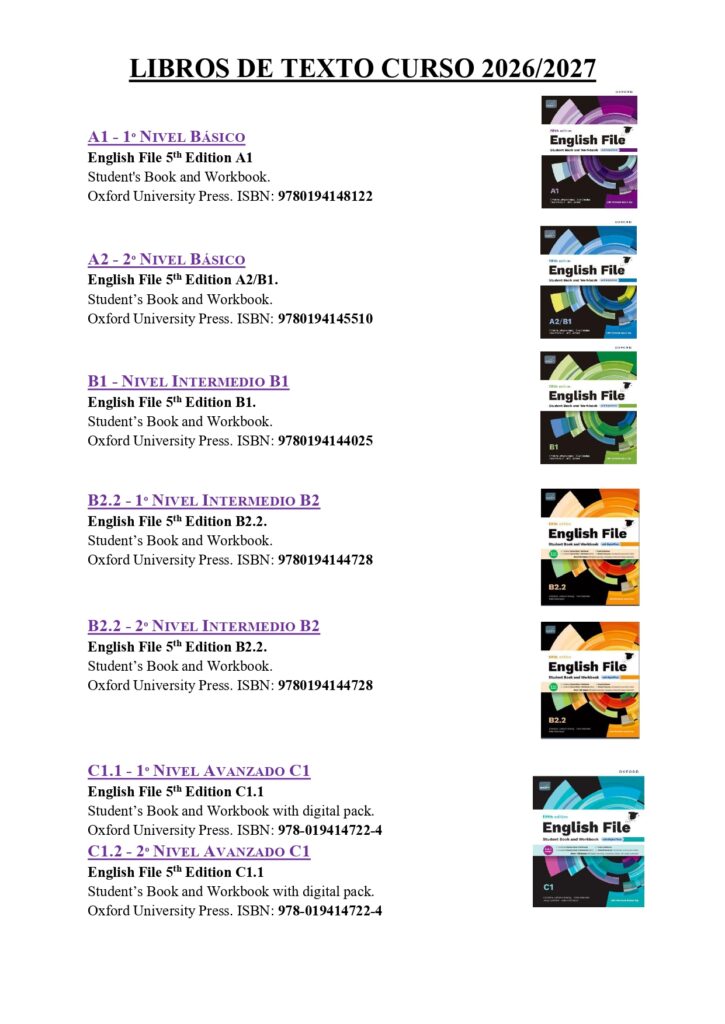
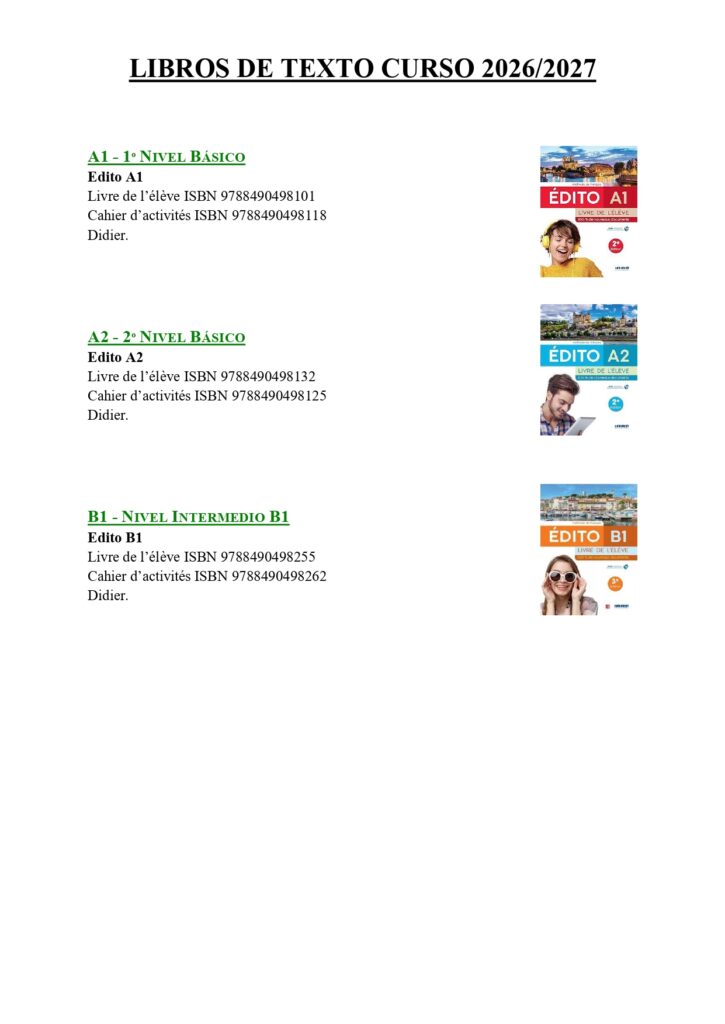
Oferta de plazas para el curso 2026/2027

¡Abierto plazo de admisión! Del 1 al 20 de mayo. Para el siguiente año, estamos ofertando el siguiente número de plazas:

CAPE (INGLÉS):
– Principiantes absolutos/A1: 30 plazas
– CAPE B1: 30 plazas
– CAPE C1: 30 plazas

FRANCÉS:
– A1: 30 plazas
– A2: 28 plazas
– B1: 24 plazas

INGLÉS:
– A1: 30 plazas
– A2: 20 plazas
– B1: 16 plazas
– B2.1: 22 plazas
– B2.2: 22 plazas
– C1.1: 22 plazas
– C1.2: 21 plazas


Phantom App, Phantom DeFi, and the Web3 Wallet Choice: What Korean Users Should Compare

Is the best crypto wallet the one with the most features, or the one that makes the fewest dangerous decisions on your behalf? That question matters more than a logo or a download button. Phantom began with a strong association with Solana, but its current positioning reaches across Solana, Ethereum, Bitcoin, Base, and Sui, with access through browser extensions and mobile devices. For a Korean user exploring decentralized finance, non-fungible tokens, or everyday Web3 applications, the important comparison is not simply “Phantom or no Phantom.” It is whether a software wallet, a competing wallet, or a hardware device fits the user’s risk, chain preferences, and operating habits.

A wallet does not store coins in the same way a bank app stores a balance. Assets remain recorded on blockchains; the wallet manages the cryptographic keys used to authorize transactions. That distinction explains both Phantom’s convenience and its limits. The app can make signing, swapping, connecting to decentralized applications, and viewing assets feel straightforward, but control also means responsibility. If a user approves a malicious transaction or loses the recovery phrase, a polished interface cannot reverse the underlying event.

Phantom wallet identity representing a software interface for managing blockchain keys and Web3 transactions

What Phantom Actually Does

Phantom is a non-custodial software wallet: in the normal self-custody model, the user holds the recovery credentials rather than handing them to an exchange. The browser extension places a signing interface next to Web3 sites, while the mobile app offers a similar role on iOS or Android. When a decentralized application requests an action, Phantom displays the request and asks the user to approve or reject it. The blockchain then validates the signed transaction according to its own rules.

This mechanism produces a useful mental model: Phantom is less like a vault containing coins and more like a secure control panel for blockchain permissions. The visible balance is only one part of the system. The more consequential questions are which network is being used, what account is signing, what assets are being moved, and whether the transaction grants a continuing permission to a contract. A wallet can show a simple “confirm” button even when the underlying action is technically complex.

Recent product information describes Phantom as available for Solana, Ethereum, Bitcoin, Base, and Sui, with support across Chrome, Brave, Firefox, iOS, and Android. That breadth is useful for users who do not want separate interfaces for every network. It also introduces a boundary condition: multi-chain support does not make networks interchangeable. Token standards, transaction fees, address formats, application compatibility, and confirmation behavior can differ. Sending an asset on the wrong network may create a recovery problem rather than a routine transfer.

For readers looking for an official starting point for the Phantom Wallet app and browser extension, this https://sites.google.com/web3walletextension.com/phantom-wallet-extension-app/ can be used as a practical reference point. Even then, users should verify the publisher, domain, and installation source themselves. Search results and advertisements can imitate wallet branding, and a fake extension is especially dangerous because it operates close to the user’s signing workflow.

Phantom Compared with Other Wallet Approaches

Phantom versus Solflare or another Solana-focused wallet

A Solana-focused alternative such as Solflare may appeal to users who want an interface designed around the Solana ecosystem rather than a broader multi-chain dashboard. This can be an advantage when the user’s main activity involves Solana tokens, staking, collectibles, or applications built specifically for that network. A narrower product scope can make terminology and network selection easier to understand.

Phantom’s counterargument is consolidation. A user who moves between Solana and other supported networks may prefer one familiar interface, particularly when exploring Web3 applications from a Korean mobile device and a desktop browser. The sacrifice is conceptual clarity: a single wallet can make different networks feel more similar than they really are. The best choice therefore depends on whether convenience across ecosystems is more valuable than a purpose-built Solana workflow.

Phantom versus Backpack and similar ecosystem-oriented wallets

Another comparison is with wallets that emphasize deeper ecosystem integration, developer tooling, or a different approach to account and application management. Such wallets can be attractive to experienced users who value specialized features and are willing to spend more time learning their interface. Phantom may be easier for a general user who wants a recognizable entry point for token management and dApp connections.

This is not a simple contest between “beginner” and “advanced” products. A simplified interface can reduce friction, but lower friction can also increase impulsive approvals. A more technical wallet may expose more detail, yet detail is only protective if the user understands it. In practice, wallet safety depends on the interaction between interface design and user habits, not on feature count alone.

Phantom versus a hardware wallet

A hardware wallet changes the security trade-off rather than eliminating risk. It keeps key operations more isolated from the everyday computer or phone, which can reduce exposure to certain forms of malware and browser compromise. For larger long-term holdings, that separation may be more important than fast access to every DeFi opportunity.

Phantom and a hardware wallet can also be complementary. A user might keep a small operating balance in a mobile or browser wallet while storing less frequently moved assets with stronger offline protection. The limitation is usability: hardware devices add setup, backup, and transaction-confirmation steps. They do not protect a user who approves a malicious transaction on the device, loses the recovery information, or fails to verify what is being signed. Security is layered, not magical.

Why Phantom DeFi Requires More Than a Wallet Comparison

“Phantom DeFi” can sound like a product category, but decentralized finance is a set of protocols rather than a single service. A wallet may connect a user to decentralized exchanges, lending markets, staking interfaces, liquidity pools, and other applications. The wallet supplies access and signing; the protocol determines much of the economic and technical risk.

That distinction is important because users often attribute the entire experience to the wallet. If a token loses value, a lending market becomes illiquid, a smart contract contains a flaw, or a transaction executes under unfavorable conditions, the wallet may only have displayed and signed the request. Phantom can help organize the action, but it cannot guarantee the solvency, code quality, price execution, or governance of every connected application.

One non-obvious risk is the difference between a one-time transfer and an ongoing permission. Some token interactions can authorize a contract to access specified assets under particular conditions. The practical lesson is to read approval screens carefully, review permissions where the network and application allow it, and disconnect from applications that are no longer needed. A wallet that is easy to connect to many sites can also make permission hygiene easy to neglect.

DeFi users should also distinguish transaction risk from investment risk. A transaction can be technically valid and still be economically harmful because of slippage, volatile prices, thin liquidity, network fees, or an unfamiliar token. Conversely, a carefully executed transaction can still lead to losses because the strategy itself is risky. Phantom is part of the transaction layer; it is not a substitute for assessing the asset or protocol.

A Practical Decision Framework for Korean Users

Start with the chain question, not the brand question. If most activity is on Solana, compare Phantom with a Solana-specialist wallet on application compatibility, clarity, and the networks you genuinely use. If assets and applications span Solana, Ethereum, Bitcoin, Base, and Sui, Phantom’s broader support may reduce interface switching. But confirm network selection every time, especially when transferring between an exchange account and a self-custody wallet.

Next, separate spending money from savings. A browser extension connected to experimental applications should not automatically hold every asset a user owns. A small “hot” wallet can be used for exploration, while a separate wallet or hardware device can hold funds that do not need frequent signing. This compartmentalization is not glamorous, but it limits the damage from a compromised site, a mistaken approval, or a leaked key.

Finally, judge the wallet by its recovery process before depositing meaningful funds. Write down the recovery phrase offline, never share it with support staff or websites, and test the recovery plan only when the process is understood and the environment is trustworthy. Korean users should be especially cautious with local-language social media support accounts and direct messages: familiar language can create false confidence, while legitimate support should not need the secret phrase.

A reusable heuristic is “network, action, permission, recovery.” Check the network before sending, the action before signing, the permission before approving, and the recovery method before funding. This sequence is more durable than memorizing a list of wallet features because it follows the mechanism that produces loss.

What to Watch as Phantom Expands

The recent move to present Phantom across several major networks suggests a future in which users increasingly expect one wallet to act as a cross-chain control panel. If that direction continues, the key measure will not be the number of supported chains alone. It will be whether the interface makes network differences, contract permissions, fees, and transaction consequences more legible rather than hiding them behind a uniform design.

That is also the central open question. Multi-chain convenience may lower the entry barrier to Web3, but it can blur the boundaries that experienced users deliberately watch. A useful development would be clearer risk communication at the moment of signing: not merely “approve,” but an understandable explanation of what can change, which asset is exposed, and whether the permission persists. Until interfaces consistently provide that context, user discipline remains a necessary part of wallet security.

Phantom Wallet FAQ

Is Phantom an exchange or a bank account?

No. Phantom is primarily a self-custody wallet interface for managing blockchain accounts and signing transactions. It does not provide the same protections as a bank deposit, and users generally remain responsible for their recovery credentials, approvals, and transaction decisions.

Should I use the Phantom app or the browser extension?

Use the form that matches the activity and device, but do not assume they are interchangeable without checking how accounts are created and recovered. The extension is convenient for desktop Web3 applications, while the mobile app is useful for on-device access. For substantial funds, consider separating everyday activity from long-term storage rather than relying on convenience alone.

Is Phantom safe for DeFi?

Phantom can provide a useful signing interface, but “safe” depends on the application, transaction, permissions, device, and user behavior. It cannot remove smart-contract risk, market risk, phishing, or irreversible blockchain transfers. Review the exact action, use separate wallets for experimentation, and never disclose the recovery phrase.

Which wallet is best for a Solana user in Korea?

There is no universal winner. Phantom is a strong fit for users who value a familiar multi-chain app and extension, while a Solana-focused wallet may suit users who prioritize ecosystem-specific tools. A hardware wallet is more appropriate when isolation and long-term custody matter more than speed. The right choice is the one whose risks and operating requirements you can consistently manage.

Phantom’s appeal is real: it can make a complicated set of blockchain actions feel approachable across mobile and browser environments. But approachability should not be confused with protection from consequences. The most capable wallet is not necessarily the safest wallet for every user; it is the wallet arrangement that makes the user’s network, permissions, recovery plan, and exposure easy to understand. For Web3 users in Korea, that is the more durable decision than choosing an app by popularity alone.